UN ECE Regulation
What is the UN ECE Regulation?
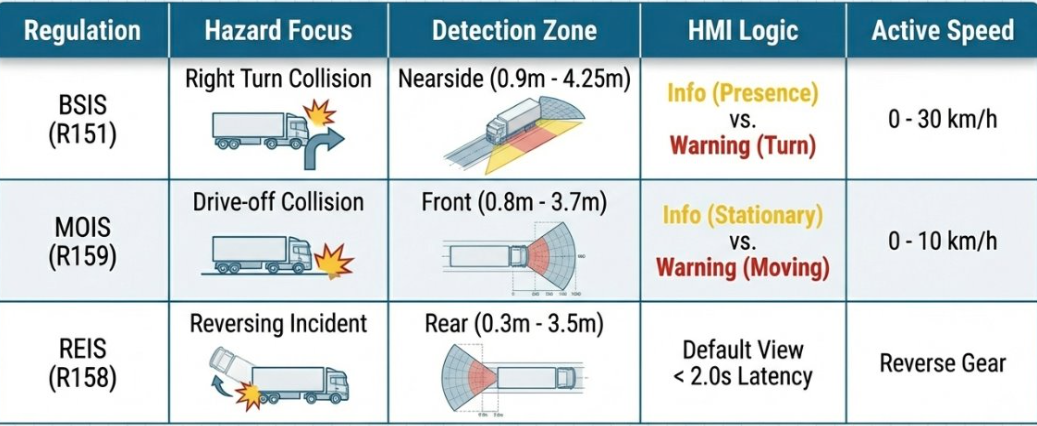
UN ECE Regulations are a set of internationally harmonized technical standards established by the United Nations to ensure that vehicles and their components—ranging from brakes and lights to emission systems—meet strict safety and environmental requirements. Under the EU General Safety Regulation (GSR) 2019/2144, the safety of Vulnerable Road Users (VRUs) is paramount. The industry is moving away from reliance solely on direct vision and mirrors toward active Human-Machine Interface (HMI) systems.
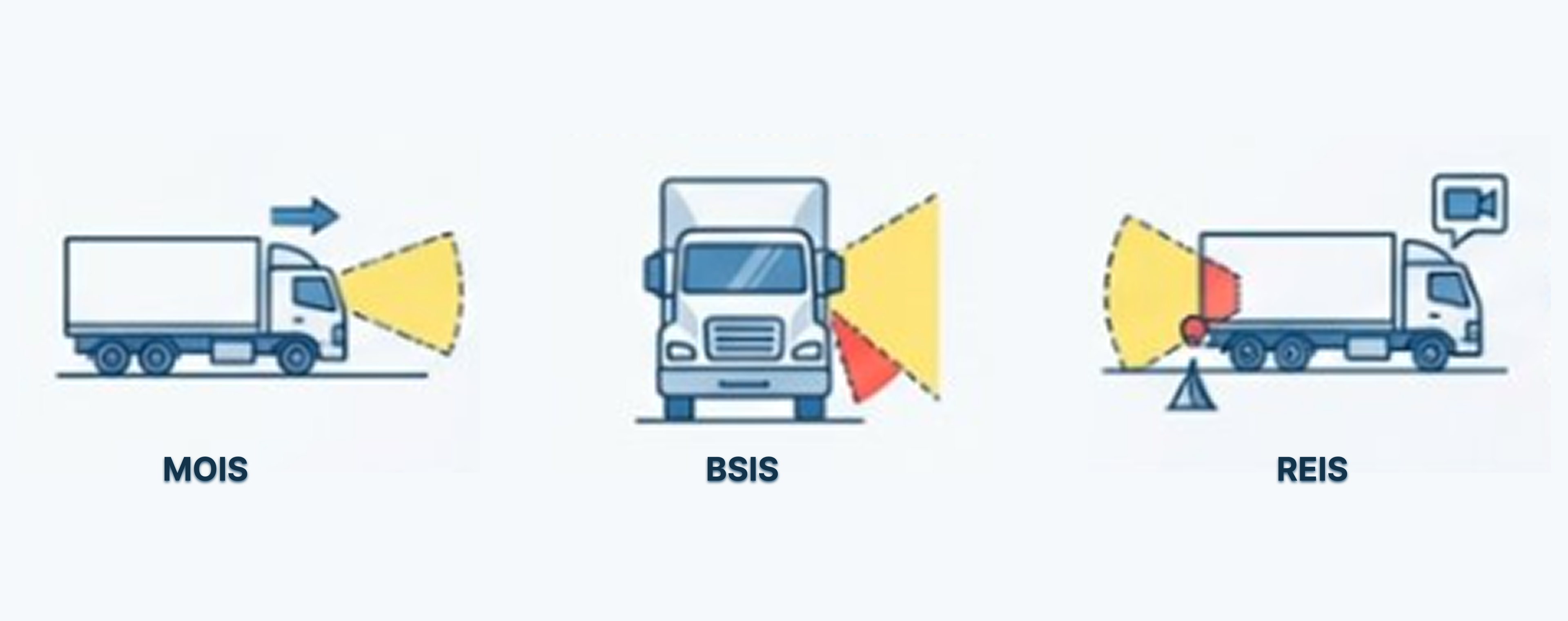
Core Safety Standards
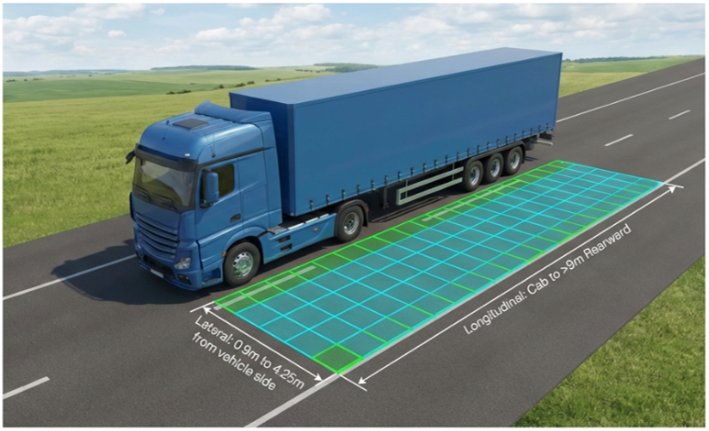
1. UN ECE R151 (BSIS)
Blind Spot Information System
- Primary Objective: Mitigating right-turn collisions.
- Mechanism: Actively monitors the passenger-side blind spot to detect cyclists and pedestrians during turning maneuvers.
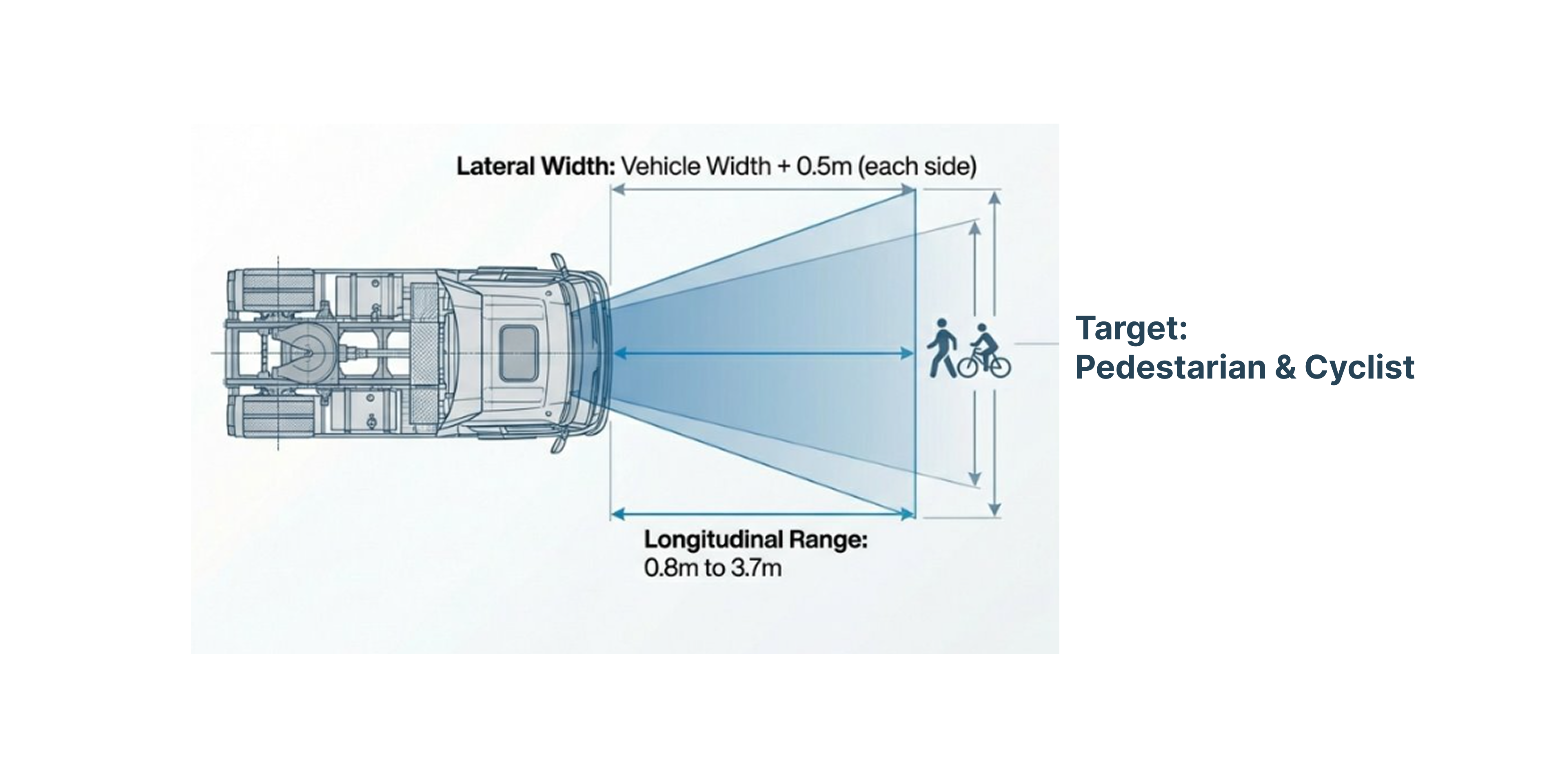
2. UN ECE R159 (MOIS)
Moving Off Information System
- Primary Objective: Preventing drive-off accidents.
- Mechanism: Detects VRUs in the immediate proximity of the front of the vehicle before or during a slow move-off from a stationary position.
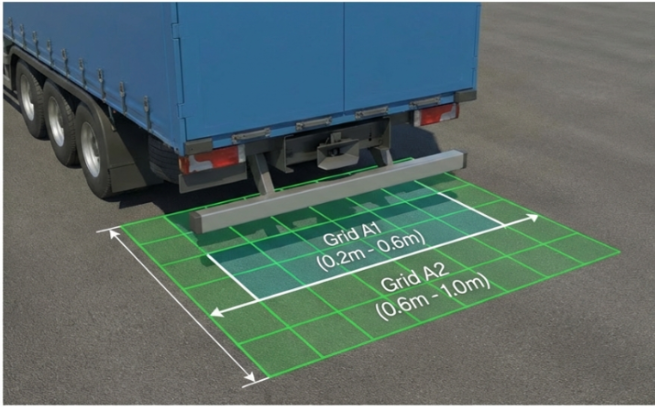
3. UN ECE R158 (REIS/RVS)
Reversing Information System
- Primary Objective: Ensuring visibility during backing maneuvers.
- Mechanism: Provides the driver with a clear view or detection alerts of the area behind the vehicle to prevent collisions while reversing.
Summary
The automotive industry is currently undergoing a transformative Regulatory Shift from passive vision to active detection, driven by the EU General Safety Regulation (GSR) 2019/2144 which prioritizes the safety of Vulnerable Road Users (VRUs). This transition is anchored by a "Trinity of Regulation" consisting of UN ECE R151 (BSIS) for mitigating nearside right-turn collisions at speeds up to $30 km/h, UN ECE R159 (MOIS) for preventing drive-off accidents at the front of the vehicle up to $10 km/h, and UN ECE R158 (REIS) for ensuring visibility and safety during reversing maneuvers. By evolving from traditional mirrors to Camera Monitor Systems (CMS) and eventually to Active Detection using sensor fusion and AI, these standards provide a comprehensive compliance framework with specific detection zones and HMI logic to provide real-time proactive alerts to drivers.